
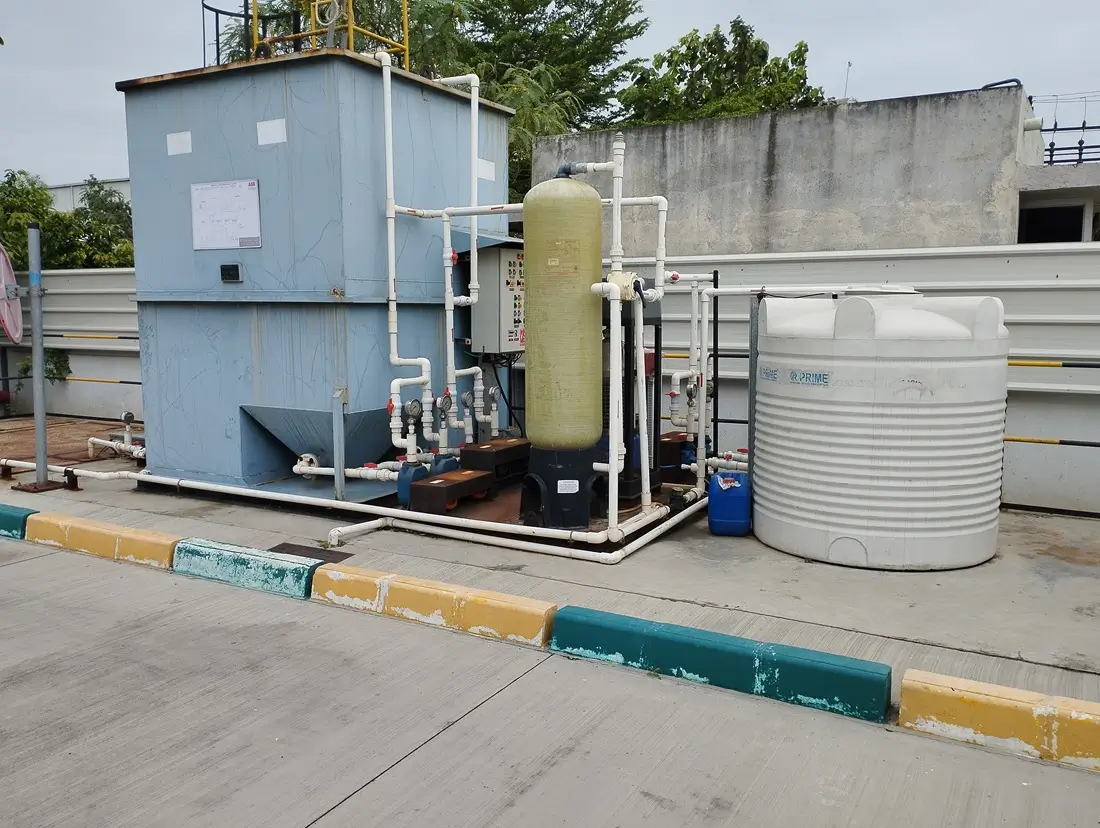
Understanding the Importance of STPs in Urban Areas
Rapid urbanization and population growth have led to increased wastewater generation. Proper treatment of this wastewater is essential to maintain environmental balance and support sustainable cities. Sewage Treatment Plants (STPs) are the cornerstone of urban wastewater management, transforming sewage into reusable water and reducing pollution.
1. Reducing Water Pollution
How it happens:
• STPs remove harmful contaminants, chemicals, and pathogens.
• Treated water prevents contamination of rivers, lakes, and groundwater.
Benefit: Healthier ecosystems and safer water for communities.
2. Recycling and Reusing Water
How it happens:
• Treated water can be reused for landscaping, industrial use, and flushing systems.
• Reduces dependency on freshwater sources.
Benefit: Efficient water use supports urban sustainability and reduces water stress.
3. Supporting Green Initiatives
How it happens:
• STPs help maintain green belts and urban gardens by supplying treated water.
• Reduces environmental footprint of cities.
Benefit: Promotes eco-friendly urban development.
4. Reducing Energy and Resource Costs
How it happens:
• Modern STPs are energy-efficient and can integrate renewable energy.
• Recycled water minimizes treatment and pumping costs.
Benefit: Sustainable urban infrastructure with lower operating costs.
KS & Sons Global Solutions
• STP design, installation & maintenance
• Industrial and residential wastewater management
• Energy-efficient and eco-friendly treatment systems
• On-site consultation and audits
• Supply of genuine spare parts and membranes
KS & Sons Global ensures that urban wastewater is efficiently transformed into a valuable resource, promoting sustainability and environmental responsibility.