
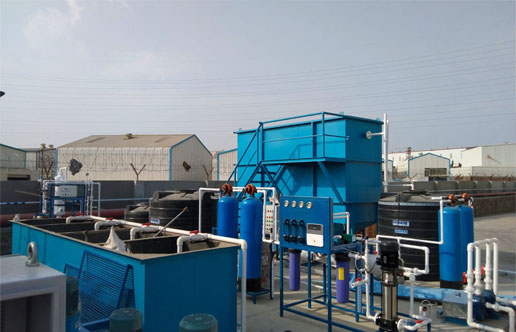
Understand the best way to install STP and ETP at Hotels, Hospitals and Factories
At KS and Sons Global, we understand that effective wastewater management is critical for the sustainability, compliance, and operational efficiency of your facility. Whether you’re running a hotel, managing a hospital, or operating an industrial unit, our team ensures that your STP (Sewage Treatment Plant) and ETP (Effluent Treatment Plant) systems are designed and installed to meet your exact needs.
1. STP & ETP Installation at Hotels
Hotels generates wastewater from kitchens, laundry, restrooms, and swimming pools. An STP is essential to recycle water for gardening, cooling systems, and flushing.
Best Installation Practices:
•• Conduct a water audit to estimate daily wastewater generation.
•• Install compact modular STPs to save space.
•• Select the right STP capacity (based on the number of rooms and guests).
•• Integrate treated water reuse systems for landscaping and non-potable uses.
This not only reduces water bills but also enhances the hotel’s eco-friendly image.
2. STP & ETP Installation at Hospitals
Hospitals produce highly contaminated wastewater that contains chemicals, pharmaceuticals, and infectious waste. Proper treatment is critical to prevent environmental hazards.
Best Installation Practices:
•• Use advanced treatment processes such as MBR (Membrane Bioreactor) or MBBR (Moving Bed Biofilm Reactor).
•• Ensure complete disinfection with UV or chlorination before discharge.
•• Separate biomedical liquid waste from regular sewage before treatment.
•• Maintain strict monitoring systems for water quality compliance.
By installing an advanced STP/ETP, hospitals ensure patient safety, environmental protection, and compliance with CPCB norms.
3. STP & ETP Installation at Factories
Factories generates effluents with oils, heavy metals, and toxic chemicals that cannot be directly discharged into water bodies.
Best Installation Practices:
•• Identify the type of industry (chemical, textile, food, pharma, etc.) to design a customized ETP
•• Use multi-stage treatment: primary (oil separation), secondary (biological), and tertiary (RO/UV filtration).
•• Install sludge management systems for safe disposal.
•• Regularly monitor effluent quality to meet pollution control board norms.
By implementing a well-designed ETP, industries minimize pollution, save water, and build a sustainable brand reputation.